
Himeros: Exploring the Symbolism of the Greek God of Desire
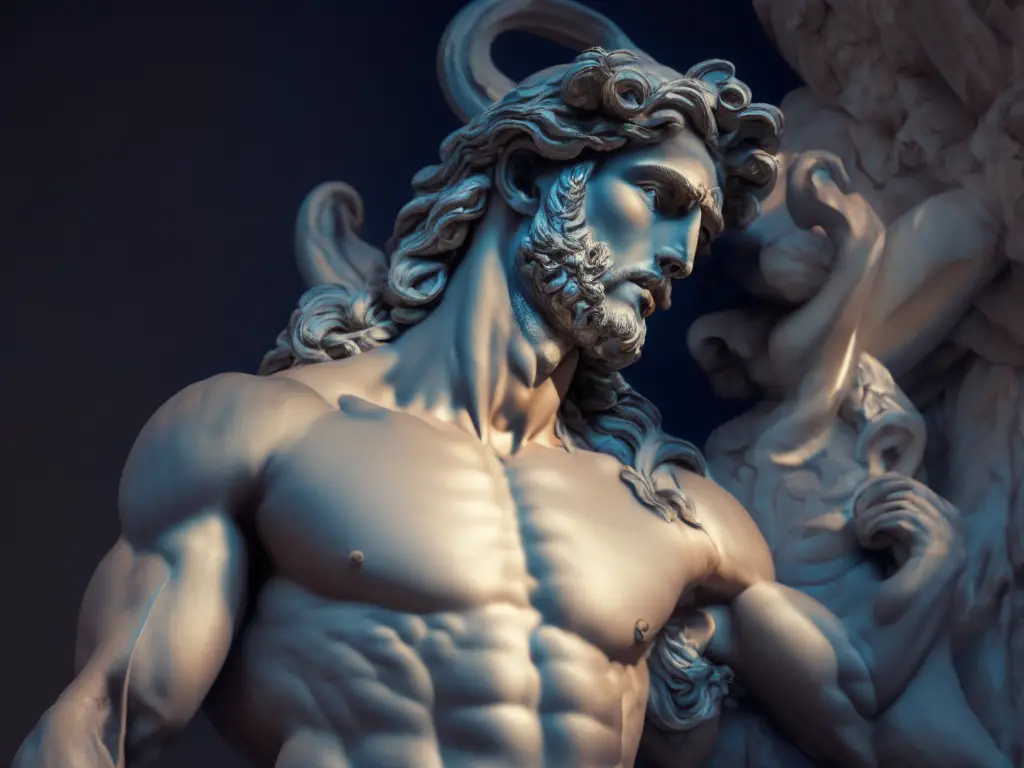
Curious about the Greek god of desire, Himeros? He may not be as well-known as Zeus or Aphrodite, but Himeros plays a significant role in Greek mythology. Often depicted as a youthful and mischievous deity, Himeros symbolizes the powerful force of desire that can drive passion and love.
In this article, we’ll delve into the fascinating world of Himeros and explore the symbolism associated with this captivating figure. From his origins to his influence on human emotions, we’ll uncover the hidden depths of Himeros and gain a deeper understanding of desire in Greek mythology.
Who is Himeros?
Himeros is a Greek god associated with desire and love. He is often depicted as a handsome young man, believed to be the son of Aphrodite, the goddess of love and beauty. Himeros is one of the Erotes, a group of winged gods who personify different aspects of love and desire in Greek mythology.
Depictions of Himeros in Greek Art and Literature
Himeros, the Greek god of desire, has been depicted in various works of art and literature throughout ancient Greece. These depictions often showcase his role in inspiring and fueling desire in both humans and gods. In Greek art, Himeros is often portrayed as a young winged god, symbolizing the fleeting and ephemeral nature of desire.
One notable example is the sculpture known as “Eros and Himeros” by Praxiteles, which depicts Himeros alongside his brother Eros (Cupid in Roman mythology). The sculpture showcases the brothers embracing and embodying the essence of desire and passion. Their playful and mischievous expressions further emphasize their role in creating passionate connections between individuals.
In ancient Greek literature, Himeros is frequently mentioned in plays, poems, and philosophical texts. He is often depicted alongside Eros, acting as his faithful companion and assistant. Himeros is portrayed as an enigmatic and persuasive figure, capable of inspiring intense desire and longing in both mortals and immortals. His presence in these writings serves to highlight the power and influence of desire in human emotions and relationships.
Overall, the depictions of Himeros in Greek art and literature convey the significance of desire in ancient Greek culture. They illustrate the integral role that Himeros played in inspiring passion, romance, and connection between individuals, while also acknowledging its transient and unpredictable nature.
Himeros and the Concept of Desire
Himeros, the Greek god of desire, plays a significant role in exploring the concept of desire in Greek mythology and culture. Associated with passionate longing and love, Himeros symbolizes the intense emotions and yearnings experienced by individuals when it comes to desire.
The Nature of Himeros
Himeros is often depicted as a youthful god, representing the youthful vigor and excitement that comes with desire. He is known to be a companion of Eros, the god of love, and together they embody different aspects of desire. While Eros represents romantic love and affection, Himeros represents the physical and sensual aspects of desire.
Artistic Representations of Himeros
In Greek art, Himeros is depicted in various forms, often portrayed as a handsome young man with wings and a bow and arrow, similar to Eros. These artistic representations capture the essence of desire, emphasizing his role as a cupid-like figure who incites intense feelings of attraction and longing.
Symbolism of Himeros
Himeros symbolizes the powerful force of desire and its ability to drive individuals towards passionate pursuits. Whether it is the desire for romantic love, physical intimacy, or creative expression, Himeros represents the intensity and urgency that desire can bring into our lives. By embodying this concept, Himeros reminds us of the transformative and sometimes overwhelming power of desire.
The Role of Himeros in Greek Mythology
In Greek mythology, Himeros is a minor deity associated with desire and passion. He is often depicted as one of the Erotes, a group of winged gods who personify various aspects of love. While Himeros is not as well-known as some other Greek gods, his presence in mythology highlights the universal human experience of desire and its connection to love and relationships.
Himeros as a Playful Companion
Himeros is often portrayed as a playful and mischievous companion to other gods and goddesses. He is known to accompany Eros, the god of love, and is often seen fluttering around him or engaging in playful banter. With his presence, Himeros adds an element of excitement and intensity to the realm of love and desire.
Himeros as an Symbol of Passion
As the god of desire, Himeros represents the intense and often uncontrollable emotions associated with love and attraction. His presence serves as a reminder of the powerful force that desire can exert on individuals. Himeros embodies the passion and longing that can fuel intimate relationships and drive individuals to seek connection with one another.
Himeros and the Creation of Desire
Himeros is believed to play a role in inspiring desire between individuals. He is thought to whisper in the ears of mortals, igniting feelings of attraction and sparking the initial flame of passion. Himeros is closely associated with the concept of eros, which refers to the passionate and sensual love that is often depicted in Greek mythology.
In Greek art and literature, Himeros is portrayed as a youthful and beautiful god. His presence is often represented alongside other deities associated with love and desire, such as Aphrodite and Eros. Through his depiction, Himeros serves as a visual representation of the complex and multifaceted nature of desire and its role in human relationships.
The Cultural Significance of Himeros
Himeros, the Greek god of desire, holds significant cultural symbolism in ancient Greek mythology. As a deity associated with passion and longing, Himeros represents the powerful force that drives human desire and inspires love and attraction.
In Greek culture, desire was considered a fundamental aspect of human experience and played a central role in relationships and procreation. Himeros embodied this primal force, capturing the essence of desire and its impact on human emotions and relationships.
The portrayal of Himeros in Greek art and literature reflects the cultural value placed on desire and romance. Through various myths and stories, Himeros became an emblematic figure, representing the complex emotions and yearnings associated with love and intimacy.
Himeros’ role as a god of desire also highlights the significance of physical attraction and sexual desire in Greek society. The exploration and celebration of desire were pivotal in ancient Greek culture, with concepts of beauty, eroticism, and passion central to art, literature, and philosophy.
Furthermore, Himeros’ presence in Greek mythology serves as a reminder of the universal nature of desire and its timeless relevance in human existence. Despite the passing of centuries, the fundamental human experience of longing and attraction remains a powerful force that shapes relationships and fuels the pursuit of love and connection.
Overall, the cultural significance of Himeros lies in its representation of the profound impact of desire on human emotions and relationships. As a deity associated with passion and longing, Himeros reminds us of the universal nature of desire and its enduring influence on the human experience.
Exploring the Legacy of Himeros
Himeros, the Greek god of desire, has left a lasting impact on Greek culture and mythology. His role as a deity associated with romantic and sexual desire has shaped narratives, artwork, and ideals of love throughout history. Himeros is often depicted as a youthful and mischievous figure, highlighting the strong connection between desire and passion.
In Greek art, Himeros is commonly portrayed alongside other gods and goddesses, emphasizing his influence in relationships and the pursuit of love. His presence is seen in sculptures, pottery, and frescoes, showcasing the fascination ancient Greeks had with the concept of desire. Additionally, Himeros often appears in Greek literature, particularly in poetic works, where his role as a catalyst for passion and attraction is explored.
The concept of desire, personified by Himeros, remains relevant in modern society. The universal experience of longing, infatuation, and attraction can be traced back to the legacy of Himeros. The influence of Himeros can be seen in contemporary art, music, and literature, where the exploration of desire continues to captivate audiences.
Himeros’ legacy extends beyond Greek mythology. His depiction as a god of desire parallels similar figures in other cultures, highlighting the universal nature of human longing. In this sense, Himeros represents a timeless archetype that continues to be explored and celebrated in various societies throughout history.
Conclusion
Through the exploration of Greek art, literature, mythology, and cultural significance, it is clear that Himeros has a profound and complex role as the Greek god of desire. Depicted in various forms and closely associated with other deities, Himeros represents the timeless concept of desire, which remains an integral part of human nature and experience.
As we delve into the legacy of Himeros, we gain a deeper understanding of desire and its impact on our lives. Whether it be romantic, artistic, or ethereal, Himeros serves as a symbol of the diverse facets of desire, reminding us of its power and significance in shaping our relationships, aspirations, and overall human experience.
